Category: Uncategorized

  • O2 Analyzer in Kochi: A Complete Guide for Hospitals & Biomedical Engineers

    O2 Analyzer in Kochi: A Complete Guide for Hospitals & Biomedical Engineers

    Accurate oxygen measurement is essential for hospitals, intensive care units, operation theatres, biomedical engineering departments and medical gas systems. An O2 analyzer helps measure oxygen concentration and supports routine testing, equipment validation and preventive maintenance.

    For hospitals and healthcare facilities looking for an O2 Analyzer in Kochi, selecting a reliable analyzer with suitable measurement accuracy, portability, calibration options and service support is important.

    What Is an O2 Analyzer?

    An O2 analyzer, also called an oxygen analyzer, is an instrument used to measure the concentration of oxygen present in a gas mixture. In healthcare environments, oxygen analyzers can be used for checking oxygen supply systems, oxygen concentrators, medical gas pipelines and other applications where oxygen concentration needs to be verified.

    Depending on the technology used, oxygen analyzers may use galvanic or ultrasonic sensing methods.

    Why Is an O2 Analyzer Important in Hospitals?

    Hospitals depend on reliable oxygen systems for several critical applications. Regular oxygen measurement can help biomedical engineering teams identify variations and verify that oxygen systems are operating within their required specifications.

    An O2 analyzer can be useful for:

    • Checking oxygen concentration
    • Testing oxygen concentrators
    • Monitoring medical gas systems
    • Preventive maintenance of oxygen equipment
    • Supporting biomedical equipment testing
    • Verifying oxygen levels during service and maintenance
    • Supporting documentation for hospital facility management

    O2 Analyzer Applications in Kochi Hospitals

    Healthcare facilities in Kochi and across Kerala can use oxygen analyzers in different clinical and technical environments.

    1. Intensive Care Units

    ICUs use various oxygen-delivery systems. Oxygen measurement equipment can support biomedical teams during routine inspection and maintenance.

    2. Operation Theatres

    Oxygen is an important part of anesthesia and medical gas systems. An analyzer can help technical teams verify oxygen concentration during testing and maintenance procedures.

    3. Oxygen Concentrator Testing

    O2 analyzers can be used to check oxygen concentration from oxygen concentrators and identify potential performance variations.

    4. Medical Gas Pipeline Testing

    Hospitals can use suitable oxygen measurement equipment during inspection and testing of medical gas systems.

    5. Biomedical Engineering Departments

    Biomedical engineers can use portable oxygen analyzers for equipment verification, preventive maintenance and troubleshooting.

    6. Calibration and Testing Laboratories

    Oxygen analyzers can also support testing environments where accurate oxygen measurement is required.

    Types of O2 Analyzers

    The right oxygen analyzer depends on the application and measurement requirements.

    Galvanic O2 Analyzer

    Galvanic oxygen analyzers use an electrochemical sensing principle to measure oxygen concentration. BMetriq’s Cirus Galvanic O2 Analyzer provides a 0–100% oxygen measurement range and a response time of T90 below 15 seconds. It is designed as a portable solution for hospitals, biomedical engineers and service professionals.

    Key Features to Consider When Buying an O2 Analyzer in Kochi

    Before purchasing an oxygen analyzer, hospitals and biomedical teams should evaluate several factors.

    Oxygen Measurement Range

    Check whether the analyzer provides the measurement range required for your application. Different models may have different operating ranges.

    Accuracy and Resolution

    Reliable measurements are important for medical equipment testing. Review the manufacturer’s stated accuracy, resolution and calibration information before purchasing.

    Response Time

    A fast response can be useful when checking oxygen systems and performing troubleshooting or preventive maintenance.

    Calibration

    Consider the calibration procedure and whether the analyzer requires regular field calibration or sensor replacement.

    Portability

    A lightweight, compact analyzer can be useful for biomedical engineers who need to test equipment in different hospital departments.

    Additional Parameters

    Some advanced analyzers can measure parameters such as oxygen concentration, flow and pressure. This can reduce the need for separate testing instruments.

    Service and Calibration Support

    Local or India-based service support can help reduce equipment downtime and simplify maintenance.

    BMetriq O2 Analyzer Solutions

    BMetriq offers oxygen analyzer solutions for hospitals, biomedical engineers and medical equipment service professionals. Its product range includes the Cirus Galvanic O2 Analyzer, Cirus OxiVue UX Handheld O2 Monitor, and Cirus OxiVue U10 Pro Medical Ultrasonic O2 Analyzer.

    The BMetriq product range includes NABL-traceable calibration support, while its medical ultrasonic O2 analyzer is designed for oxygen, flow and pressure measurement. (BMetriq)

    The Cirus Galvanic O2 Analyzer provides 0–100% oxygen measurement, fast response and portable operation.

    Why Choose BMetriq for an O2 Analyzer in Kochi?

    For hospitals and biomedical engineering teams searching for an O2 Analyzer in Kochi, BMetriq provides India-based biomedical testing equipment solutions.

    Key advantages include:

    • Portable oxygen measurement solutions
    • Galvanic and ultrasonic O2 analyzer options
    • NABL-traceable calibration certificates
    • ISO 13485:2016 certified manufacturing
    • CDSCO-registered products
    • Solutions for hospitals and biomedical engineering departments
    • India-wide supply and service support
    • Multiple options for different oxygen testing requirements

    BMetriq states that its service and recalibration support is available through its Chennai and Trichy facilities, helping customers avoid international shipping for service requirements.

    How to Choose the Right O2 Analyzer for Your Hospital

    The best analyzer depends on your intended application. Before purchasing, consider:

    1. What oxygen concentration range needs to be measured?
    2. Is portability important?
    3. Do you need oxygen measurement only or oxygen, flow and pressure?
    4. What calibration procedure is required?
    5. What type of service and maintenance support is available?
    6. Does the product have appropriate certifications and traceable calibration documentation?
    7. Will the analyzer be used for routine preventive maintenance or more advanced testing?

    Choosing the analyzer based on these requirements can help hospitals and biomedical teams select an appropriate solution.

    O2 Analyzer in Kochi for Hospitals and Biomedical Engineers

    If you are searching for an O2 Analyzer in Kochi, choose a solution that combines reliable oxygen measurement, appropriate sensing technology, portability and dependable service support.

    BMetriq provides oxygen analyzer solutions designed for hospitals, ICUs, operation theatres, biomedical engineering departments, laboratories and medical equipment service providers. Its range includes portable galvanic and ultrasonic oxygen analyzers for different testing requirements.

    For pricing, technical specifications or product selection assistance, contact BMetriq to identify the O2 analyzer that best matches your hospital or biomedical testing requirements.

    Frequently Asked Questions

    1. What is an O2 analyzer used for?

    An O2 analyzer is used to measure oxygen concentration in gases. In healthcare environments, it can support oxygen equipment testing, preventive maintenance and medical gas system verification.

    2. Where can an O2 analyzer be used in hospitals?

    It can be used in ICUs, operation theatres, biomedical engineering departments, laboratories, oxygen concentrator testing and medical gas system maintenance.

    3. What is the difference between galvanic and ultrasonic O2 analyzers?

    Galvanic analyzers use an electrochemical sensing method, while ultrasonic analyzers use ultrasonic sensing technology. The appropriate technology depends on the application and required measurements.

    4. Can an O2 analyzer measure more than oxygen?

    Some advanced models can measure additional parameters. For example, BMetriq’s OxiVue U10 Pro measures oxygen concentration, flow and pressure.

    5. Where can I buy an O2 analyzer in Kochi?

    Hospitals and biomedical engineering teams in Kochi can enquire with BMetriq for suitable oxygen analyzer models, specifications, pricing and supply support across India.
  • Patient Monitor Simulator in Bengaluru: Complete Guide for Biomedical Testing

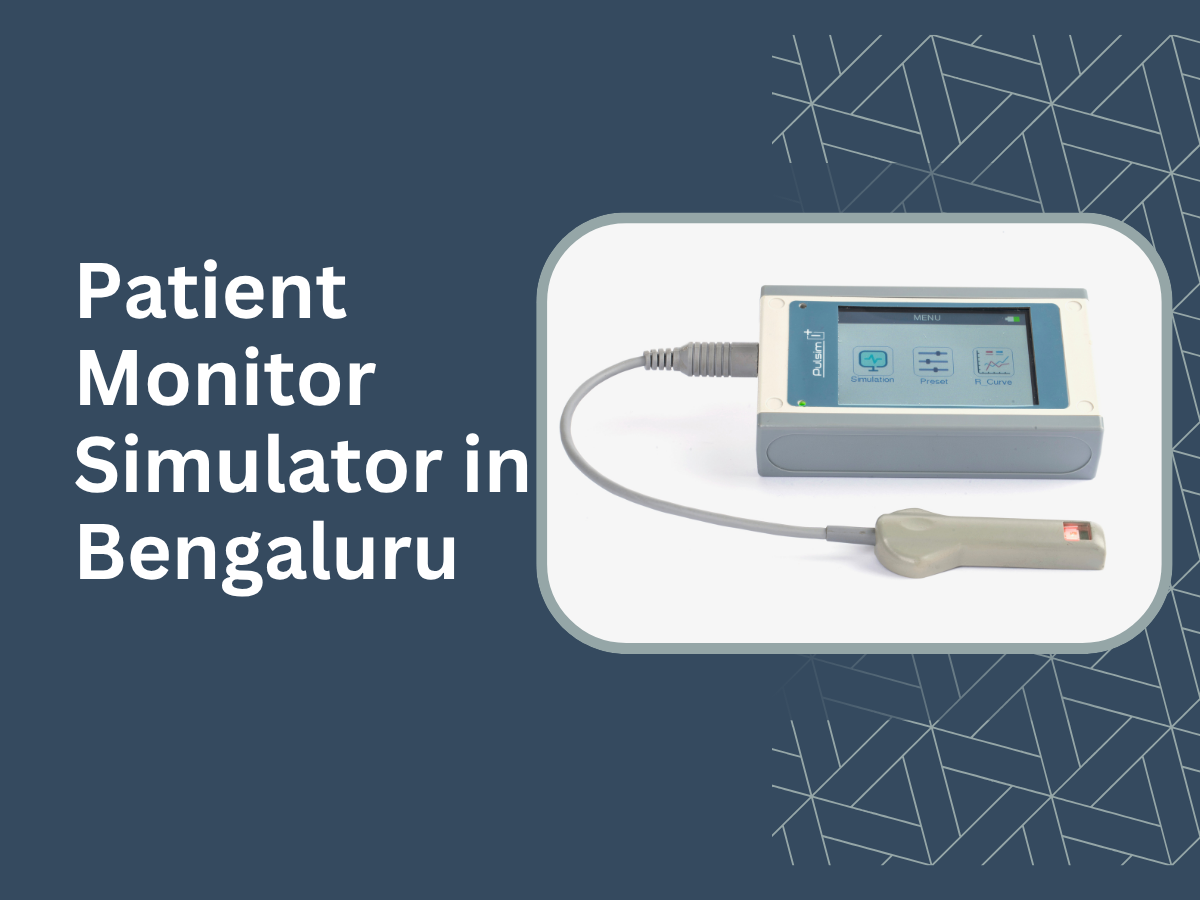
    Patient Monitor Simulator in Bengaluru: Complete Guide for Biomedical Testing

    As Bengaluru continues to grow as a major healthcare and medical technology hub,
    hospitals, diagnostic centers, biomedical service providers, and medical equipment
    manufacturers require reliable biomedical testing equipment to maintain the accuracy of
    patient monitoring systems. A Patient Monitor Simulator is an essential testing device
    that helps biomedical engineers verify the performance of patient monitors before they
    are used in clinical environments.
    Whether you manage a hospital, calibration laboratory, or biomedical engineering
    department in Bengaluru, investing in a high-quality patient monitor simulator helps
    improve patient safety, equipment reliability, and preventive maintenance.

    What is a Patient Monitor Simulator?

    A Patient Monitor Simulator is a biomedical testing device designed to generate
    simulated physiological signals such as ECG, SpO₂, NIBP, respiration, temperature,
    and IBP. These simulated signals allow engineers to verify that a patient monitor
    accurately displays vital parameters without connecting it to a patient.
    Hospitals across Bengaluru use patient monitor simulators during preventive
    maintenance, equipment calibration, quality assurance, and biomedical inspections.

    Why Hospitals in Bengaluru Need Patient Monitor Simulators

    Bengaluru is home to numerous multispecialty hospitals, medical colleges, research institutes, and healthcare technology companies. Regular testing of patient monitoring equipment helps:

    • Improve patient safety
    • Ensure accurate monitoring results
    • Reduce equipment downtime
    • Support preventive maintenance
    • Improve biomedical engineering efficiency
    • Meet NABH quality standards

    What is a Patient Monitor Machine?

    A patient monitor machine is a medical device that continuously measures a patient’s vital signs, including:

    • ECG
    • Heart Rate
    • SpO₂
    • Respiratory Rate
    • Blood Pressure
    • Temperature

    These monitors are widely used in ICUs, operating theatres, emergency departments, and recovery wards throughout Bengaluru hospitals.

    Patient Monitor Machine Uses

    Patient monitor machines are commonly used for:

    • Intensive Care Units (ICU)
    • Operation Theatres
    • Emergency Rooms
    • Cardiac Care Units
    • Neonatal ICUs
    • Post-operative Monitoring
    • Ambulances
    • Diagnostic Centres

    Regular testing with a patient monitor simulator ensures these devices continue to perform accurately.

    Features of a Modern Patient Monitor Simulator

    A quality patient monitor simulator typically offers:

    • ECG Simulation
    • SpO₂ Simulation
    • NIBP Simulation
    • Respiration Simulation
    • Temperature Simulation
    • IBP Simulation
    • Multi-parameter Testing
    • Portable Design
    • High Accuracy
    • User-friendly Interface

    Applications

    Patient monitor simulators are used by:

    • Hospitals
    • Biomedical Engineers
    • Medical Equipment Manufacturers
    • Calibration Laboratories
    • Service Centres
    • Medical Colleges
    • Healthcare Equipment Distributors

    Vital Signs Monitor Simulator vs Patient Monitor Simulator

    A vital signs monitor simulator is generally designed to simulate basic parameters such as heart rate, SpO₂, and blood pressure, while a patient monitor simulator provides comprehensive testing for ECG, respiration, temperature, IBP, and multiple physiological parameters. Multi-parameter simulators are preferred for complete biomedical testing.

    Why Choose BMetriq in Bengaluru?

    BMetriq provides advanced biomedical testing equipment for hospitals, biomedical engineers, and healthcare service providers.

    Advantages

    • High Accuracy
    • Reliable Performance
    • Multi-Parameter Testing
    • Easy Operation
    • Durable Design
    • Technical Support
    • Calibration Assistance

    Frequently Asked Questions

    What is a Patient Monitor Simulator?

    A Patient Monitor Simulator is a biomedical testing device used to verify the performance and accuracy of patient monitors.

    Who uses Patient Monitor Simulators in Bengaluru?

    Hospitals, biomedical engineers, medical colleges, calibration laboratories, and healthcare equipment service providers.

    What are the uses of a Patient Monitor Machine?

    Patient monitor machines continuously monitor ECG, heart rate, blood pressure, SpO₂, respiration, and temperature in clinical settings.

    Why is patient monitor testing important?

    Regular testing ensures accurate patient monitoring, improves equipment reliability, supports preventive maintenance, and helps hospitals comply with quality standards.

    Which industries use Patient Monitor Simulators?

    Healthcare institutions, medical device manufacturers, biomedical service companies, research laboratories, and diagnostic centers all use patient monitor simulators.

  • ECG Simulator Bengaluru: Reliable Testing Solution for Hospitals & Biomedical Engineers

    ECG Simulator Bengaluru: Reliable Testing Solution for Hospitals & Biomedical Engineers

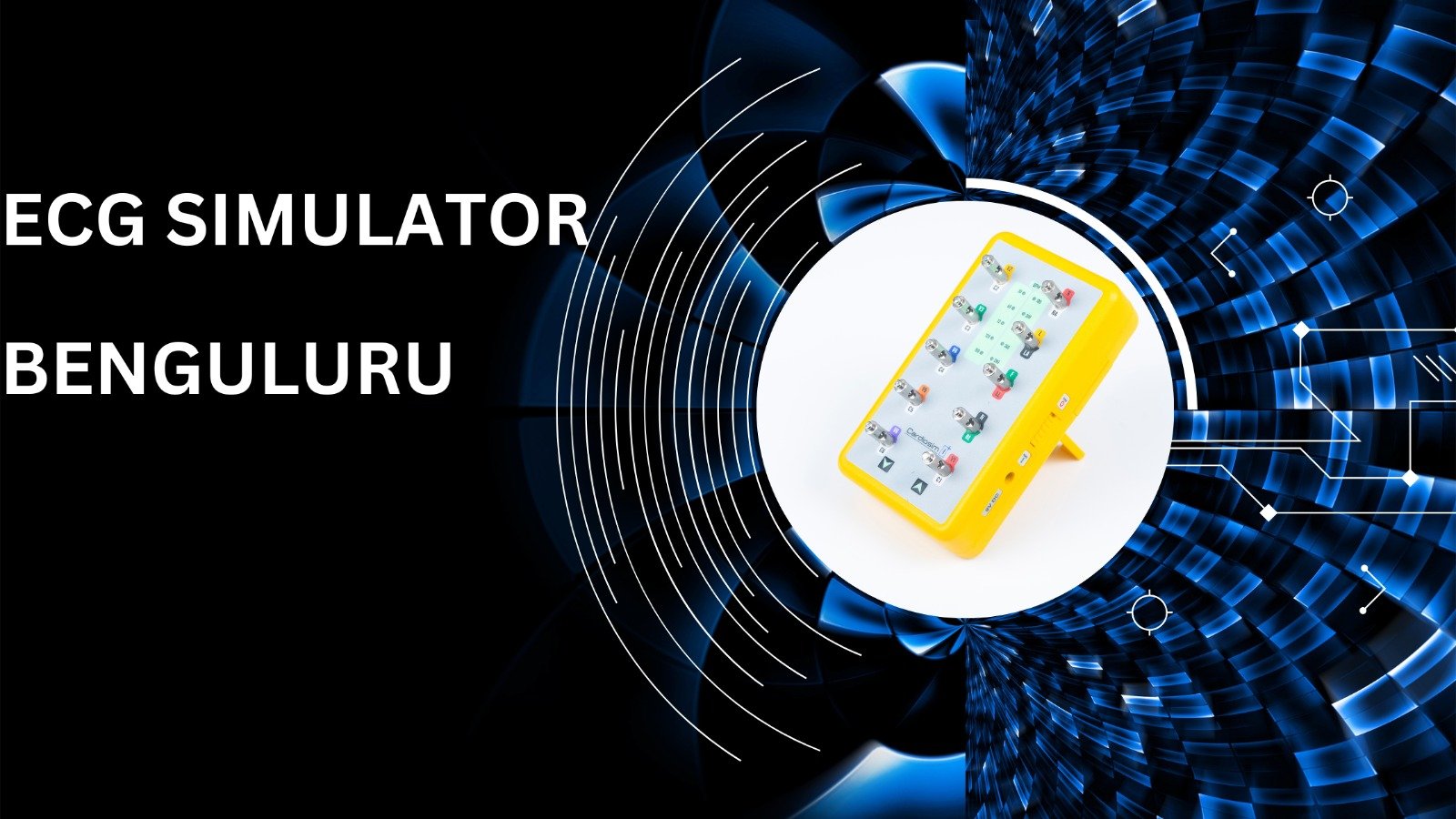
    ECG Simulator Bengaluru: The Smart Choice for Accurate Patient Monitor Testing

    Bengaluru is one of India’s fastest-growing healthcare and medical technology hubs. With hundreds of multispecialty hospitals, diagnostic centers, medical colleges, and biomedical service providers, ensuring the accuracy of patient monitoring systems has become a critical part of healthcare operations.

    An ECG Simulator helps biomedical engineers verify ECG monitor performance before the equipment is used for patient care. Whether performing preventive maintenance, annual calibration, or troubleshooting, ECG simulators help ensure patient monitors deliver reliable readings.

    Modern healthcare facilities in Bengaluru increasingly rely on advanced biomedical testing equipment to reduce equipment downtime, improve safety, and support NABH quality requirements.

    Why Bengaluru Hospitals Need ECG Simulators ?

    Bengaluru has:

    • Large multispecialty hospitals
    • Cardiac specialty hospitals
    • Medical colleges
    • Biomedical engineering departments
    • Diagnostic laboratories
    • Healthcare equipment service providers

    Since patient monitors operate around the clock, routine ECG verification is essential for maintaining clinical accuracy.

    An ECG simulator allows engineers to validate monitor performance without connecting the device to an actual patient.

    What is an ECG Simulator?

    An ECG Simulator is a biomedical testing instrument that generates standardized ECG waveforms to evaluate ECG monitors.

    Instead of relying on patient signals, biomedical engineers use simulated ECG outputs to verify:

    • Heart rate accuracy
    • Lead performance
    • Signal quality
    • Arrhythmia detection
    • Alarm functionality
    • Waveform stability

    This makes testing safer, faster, and more repeatable.

    Applications of ECG Simulators:

    An ECG simulator is widely used in:

    Hospitals

    Routine preventive maintenance of bedside monitors.

    Biomedical Engineering Departments

    Daily inspection and troubleshooting of ECG monitoring systems.

    Medical Equipment Service Companies

    Field testing during installation, servicing, and repairs.

    Calibration Laboratories

    Performance verification before issuing calibration reports.

    Medical Colleges

    Training biomedical engineering students using simulated ECG signals.

    Features to Look for in an ECG Simulator:

    When selecting an ECG simulator, consider features such as:

    • 12-lead ECG simulation
    • Multiple heart rate settings
    • Arrhythmia simulation
    • Adjustable gain levels
    • Portable and lightweight design
    • Battery operation
    • Universal monitor compatibility
    • User-friendly controls
    • NABL-traceable calibration
    • ISO 13485 manufacturing standards

    These features improve testing accuracy and simplify maintenance workflows. (BMetriq)

    Benefits of Using an ECG Simulator:

    Improved Equipment Reliability

    Routine testing helps identify issues before they affect patient care.

    Faster Preventive Maintenance

    Biomedical engineers can complete scheduled inspections more efficiently.

    Accurate Calibration

    Standardized ECG waveforms improve testing consistency.

    Reduced Downtime

    Early detection of faults minimizes unexpected equipment failures.

    Better NABH Readiness

    Regular performance verification supports hospital quality and maintenance documentation.

    Why Choose BMetriq ECG Simulators?

    BMetriq designs and manufactures ECG simulators specifically for Indian hospitals, biomedical engineers, and service organizations.

    Key advantages include:

    • ISO 13485 Certified Manufacturing
    • NABL-Traceable Calibration Certificate
    • 12-Lead ECG Simulation
    • Arrhythmia Testing
    • Portable Design
    • Fast Service Support
    • Made in India
    • Cost-Effective Solution
    • Suitable for Preventive Maintenance
    • Compatible with major patient monitor brands (BMetriq)

    Industries We Serve

    Our ECG simulators are suitable for:

    • Multispecialty Hospitals
    • Government Hospitals
    • Private Healthcare Groups
    • Medical Colleges
    • Biomedical Equipment Companies
    • Third-Party Service Engineers
    • Diagnostic Centers
    • Healthcare Training Institutes

    Frequently Asked Questions

    Which hospitals use ECG simulators?

    Hospitals, cardiac centers, diagnostic laboratories, and biomedical engineering departments use ECG simulators for routine equipment testing.

    Why is 12-lead ECG simulation important?

    It verifies the complete ECG acquisition system and helps confirm that all leads are functioning correctly.

    Can ECG simulators support preventive maintenance?

    Yes. They are widely used during scheduled maintenance to validate monitor performance before clinical use.

    Are ECG simulators useful for biomedical engineers?

    Yes. They are essential tools for testing, calibration, servicing, and troubleshooting patient monitoring equipment.

    Does BMetriq provide ECG simulators across Bengaluru?

    Yes. BMetriq supplies ECG simulators to hospitals, biomedical engineers, medical colleges, and healthcare service organizations across Bengaluru and throughout India.

  • ECG Simulator Kolkata: Essential Testing Solution for Hospitals & Biomedical Engineers

    ECG Simulator Kolkata: Essential Testing Solution for Hospitals & Biomedical Engineers

    If you are looking for an ECG Simulator in Kolkata, choosing a reliable and high-precision device is essential for effective equipment testing and preventive maintenance. ECG simulators are widely used to generate standardized ECG waveforms, helping biomedical engineers ensure that monitoring systems function accurately and comply with quality standards.

    ECG Simulator:

    An ECG Simulator is a biomedical testing device designed to generate simulated electrocardiogram signals that replicate human cardiac rhythms. These signals are used to test, calibrate, troubleshoot, and validate ECG machines, bedside monitors, and cardiac monitoring systems without involving actual patients. ECG simulators help healthcare facilities maintain equipment reliability and improve diagnostic accuracy.

    Why Hospitals in Kolkata Need ECG Simulators ?

    Healthcare facilities across Kolkata are increasingly focusing on preventive maintenance and equipment quality assurance.

    ECG simulators offer several benefits:

    • Verification of ECG machine performance
    • Testing patient monitoring systems during maintenance
    • Biomedical engineering training and education
    • Troubleshooting cardiac monitoring equipment
    • Supporting NABH and quality compliance programs
    • Reducing equipment downtime and service costs

    Regular testing with ECG simulators helps healthcare providers ensure dependable patient monitoring and accurate cardiac diagnostics.

    Applications of ECG Simulators

    ECG simulators are commonly used in:

    • Multi-specialty hospitals
    • Cardiology departments
    • Biomedical engineering departments
    • Medical equipment service organizations
    • Diagnostic laboratories
    • Training institutions and biomedical colleges
    • Preventive maintenance programs

    BMetriq ECG Simulators for Healthcare Facilities:

    BMetriq offers advanced ECG simulators designed for biomedical engineers, hospitals, and service professionals. Their product portfolio includes solutions for routine verification, calibration, and performance testing of ECG machines and patient monitors.

    Key options include:

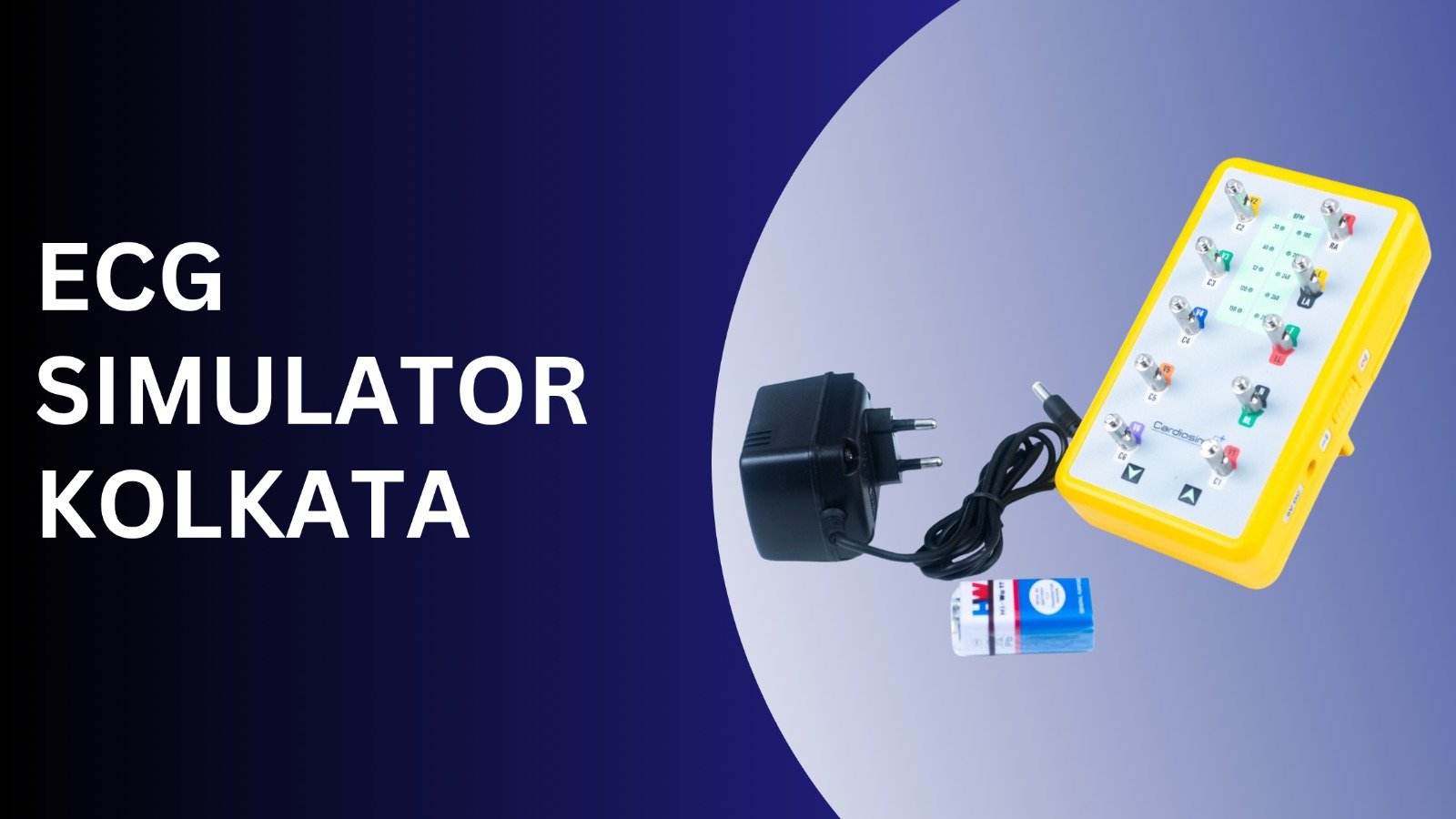
    CardioSim III – Advanced 12-Lead ECG Simulator

    • Full 12-lead ECG simulation
    • Multiple arrhythmia modes
    • Adjustable heart rate settings
    • Suitable for patient monitor calibration and verification
    • Designed for hospital and biomedical service applications

    CardioSim 1+ – Essential ECG Simulator

    • Compact and portable design
    • Multiple heart rate simulation options
    • Quick functional testing of ECG monitors
    • Ideal for routine preventive maintenance

    Benefits of Choosing a Quality ECG Simulator:

    Investing in a reliable ECG simulator provides:

    • Improved equipment accuracy
    • Enhanced patient safety
    • Faster troubleshooting
    • Reduced maintenance costs
    • Better compliance documentation
    • Increased equipment uptime

                     As healthcare technology continues to advance, the importance of accurate equipment testing becomes even more critical. Whether you are a hospital, diagnostic center, biomedical engineer, or service provider in Kolkata, an ECG simulator is an essential tool for maintaining the performance of cardiac monitoring equipment. By choosing high-quality ECG simulation devices, healthcare organizations can ensure reliable patient monitoring, support compliance requirements, and improve overall clinical outcomes.

    Frequently Asked Questions (FAQs)

    1.How does an ECG Simulator improve preventive maintenance?

    An ECG Simulator helps identify performance issues before they affect patient care, ensuring ECG machines and monitors remain accurate, reliable, and ready for clinical use.

    2. Are ECG Simulators portable?

    Most modern ECG simulators are compact and lightweight, making them suitable for field service engineers, hospital maintenance teams, and on-site equipment testing.

    3.Is an ECG Simulator necessary for NABH and quality compliance?

    Yes. Regular performance verification using ECG simulators supports equipment quality assurance programs and helps healthcare facilities maintain documentation for accreditation and compliance requirements.